


Essential Website Design Tips for Small Business Website Optimization

In today’s digital-first world, your website is often the first impression potential customers have of your business. A well-designed website can be the difference between a visitor bouncing away or becoming a loyal customer. For small businesses aiming to grow, increase visibility, and generate more sales, website design is not just about aesthetics—it’s a strategic tool for business growth.
I’m going to share essential website design tips that focus on small business website optimization. These tips are practical, actionable, and designed to help you convert visitors into leads and customers efficiently.
Prioritize User Experience for Small Business Website Optimization
User experience (UX) is the foundation of any successful website. When visitors find your site easy to navigate and engaging, they stay longer and are more likely to take action.
Keep navigation simple and intuitive. Use clear menus and logical page hierarchies. Avoid cluttered menus with too many options.
Optimize loading speed. Slow websites frustrate users and increase bounce rates. Compress images, leverage browser caching, and use reliable hosting.
Mobile responsiveness is a must. Over half of web traffic comes from mobile devices. Your site should look and function flawlessly on smartphones and tablets.
Clear calls to action (CTAs). Every page should guide visitors toward a goal—whether it’s booking an appointment, making a purchase, or contacting you. Use contrasting colors and concise text like “Get a Free Quote” or “Book Now.”
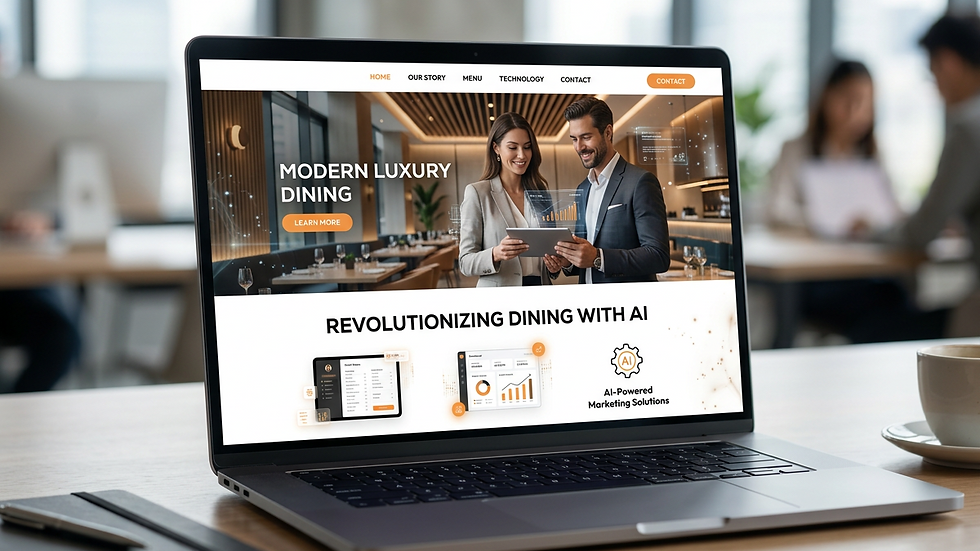
For example, a local restaurant can benefit from a mobile-friendly menu and an easy-to-find online reservation button. This reduces friction and increases bookings directly from the website.

Design with SEO and Local Visibility in Mind
A beautiful website is useless if no one finds it. Small business website optimization must include SEO best practices to improve your Google rankings and local visibility.
Use keyword-rich titles and meta descriptions. Research keywords your customers use and incorporate them naturally.
Optimize images with alt text. This helps search engines understand your content and improves accessibility.
Create location-specific pages or content. For businesses serving multiple areas, dedicated pages for each location boost local SEO.
Implement schema markup. This structured data helps search engines display rich snippets like reviews, hours, and contact info.
Ensure fast page speed and mobile optimization. Google prioritizes sites that perform well on mobile devices and load quickly.
For instance, a law firm targeting clients in multiple cities should have separate pages optimized for each city, including local testimonials and contact details.
Craft a Clear and Compelling Value Proposition
Your website must communicate why visitors should choose your business over competitors. This is your value proposition—the unique benefit you offer.
Place it prominently on your homepage. Visitors should understand your core offering within seconds.
Use concise, benefit-driven language. Focus on outcomes like “Save Time with Our Fast Service” or “Trusted by 1,000+ Local Customers.”
Support with social proof. Include testimonials, case studies, or client logos to build trust.
Highlight guarantees or certifications. These reduce hesitation and increase confidence.
A beauty salon, for example, might emphasize “Award-Winning Stylists Using Organic Products” supported by client reviews and before-and-after photos.

Leverage Conversion-Focused Design Elements
Driving more leads and sales requires more than just good looks. Your website design should be conversion-focused, guiding visitors toward taking action.
Use contrasting colors for CTAs. Make buttons stand out visually.
Limit distractions. Avoid excessive pop-ups or auto-playing media that can annoy visitors.
Use directional cues. Arrows or images of people looking toward CTAs can subtly guide attention.
Incorporate trust signals. Security badges, payment options, and privacy policies reassure visitors.
Simplify forms. Ask only for essential information to reduce friction.
For example, a contractor’s website might feature a prominent “Request a Free Estimate” button above the fold, with a short form that takes less than a minute to complete.
Integrate Modern Technologies for Smarter Marketing
To stay competitive, small businesses should embrace modern digital tools that enhance website functionality and marketing effectiveness.
AI-powered chatbots. Provide instant answers and capture leads 24/7.
Automation tools. Integrate email marketing and CRM systems to nurture leads automatically.
Digital menus and ordering systems. Perfect for restaurants wanting to modernize their customer experience.
NFC technology. Enable contactless interactions and easy sharing of business info.
Analytics and heatmaps. Track visitor behavior to continuously optimize your site.
By combining these technologies, your website becomes a high-performance marketing asset that drives measurable business growth.
Building a Website That Grows Your Business
Your website is more than a digital brochure. It’s a powerful platform to increase leads, boost sales, and improve customer experience. By focusing on small business website optimization through user experience, SEO, clear messaging, conversion design, and modern technology, you position your business for sustainable growth.
If you want to explore how website design for small businesses can transform your online presence, consider partnering with experts who understand the unique challenges and opportunities of your industry.
Invest in your website today and watch it become your most valuable growth engine.


https://5eurocasinozondercruks.com is where I ended up after thinking about the SEO section, because the point about separate location pages for each city really applies to how people search for local services now. I run a small cleaning business and splitting my service areas into individual pages made a bigger difference than I expected, even though each page only has a few paragraphs. The schema markup tip is next on my list since rich snippets for reviews and hours could save potential customers a click.