


Boost Your Small Business with Smart Website Design: Optimized Small Business Websites

In today’s digital-first world, your website is more than just an online presence. It’s a powerful tool that can drive leads, increase sales, and elevate your brand visibility. For small businesses aiming to grow, investing in optimized small business websites is no longer optional—it’s essential. I’ve seen firsthand how smart website design transforms businesses by creating seamless customer experiences and delivering measurable results.
Let’s explore how a strategic approach to website design can unlock your business’s full potential.
Why Optimized Small Business Websites Matter More Than Ever
An optimized website is designed with your business goals in mind. It’s fast, user-friendly, and tailored to convert visitors into customers. For small businesses, this means:
More leads through clear calls to action and intuitive navigation.
Better visibility on search engines, helping you stand out locally.
Increased sales by simplifying the buying process.
Enhanced customer experience that builds trust and loyalty.
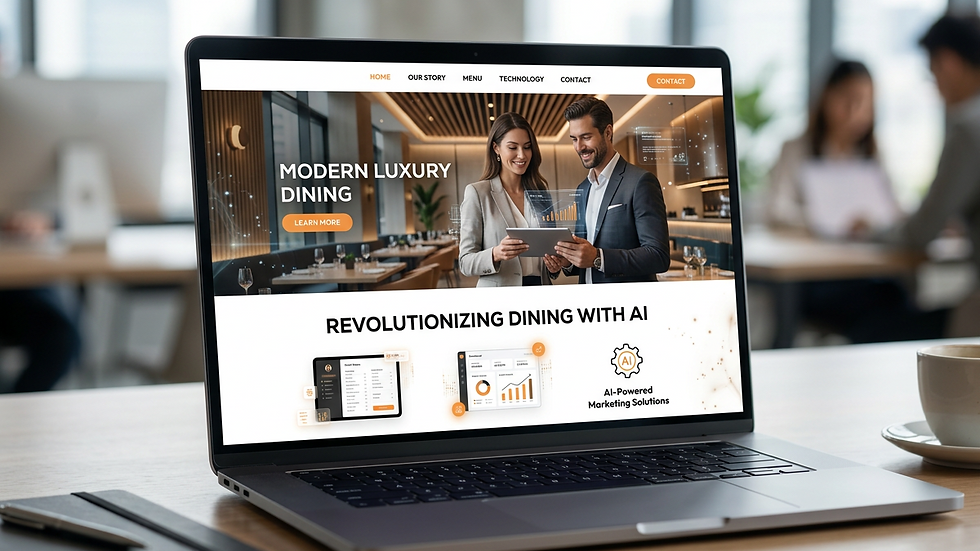
Take a restaurant, for example. A modern, mobile-friendly site with an easy-to-use online ordering system can boost orders significantly. Similarly, a law firm with a clean, professional website that highlights services and client testimonials will attract more inquiries.

Key Elements of Smart Website Design for Small Businesses
Smart website design isn’t just about aesthetics. It’s about creating a digital environment that supports your business objectives. Here are the core elements I focus on when building optimized small business websites:
1. Responsive Design
Your website must look and function perfectly on all devices. Over 60% of web traffic comes from mobile devices, so a responsive design is critical. This means your site adapts seamlessly to smartphones, tablets, and desktops, providing a consistent experience.
2. Fast Loading Speed
Speed impacts both user experience and search rankings. Slow websites frustrate visitors and increase bounce rates. Optimizing images, leveraging caching, and using efficient coding practices ensure your site loads quickly.
3. Clear Calls to Action (CTAs)
Every page should guide visitors toward a specific action—whether it’s booking an appointment, requesting a quote, or making a purchase. CTAs need to be prominent, concise, and compelling.
4. SEO Best Practices
Optimizing your site for search engines helps you attract organic traffic. This includes keyword research, meta tags, alt text for images, and structured data. For example, integrating local SEO tactics ensures your business appears in local search results, which is crucial for service-based industries.
5. User-Friendly Navigation
Visitors should find what they need without confusion. A simple menu structure, logical page hierarchy, and search functionality improve usability and keep users engaged longer.
6. Trust Signals
Incorporate testimonials, certifications, and secure payment badges to build credibility. For medical clinics or law firms, displaying professional affiliations and client reviews can significantly increase trust.
How Smart Website Design Drives Business Growth
A well-designed website is a growth engine. Here’s how it directly impacts your bottom line:
More Leads and Conversions
By optimizing landing pages and CTAs, you turn casual visitors into qualified leads. For example, a beauty salon might use an online booking form integrated with calendar software, reducing friction and increasing appointment rates.
Improved Local Visibility
Local SEO integration helps your business appear in “near me” searches. This is vital for contractors, retail stores, and hospitality businesses that rely on local customers. Optimized content and Google My Business integration amplify your reach.
Enhanced Customer Experience
A smooth, intuitive website keeps visitors engaged. Features like chatbots, FAQs, and easy contact options reduce barriers and improve satisfaction. This leads to repeat visits and referrals.
Increased Sales Through E-Commerce
For retail and e-commerce brands, smart design means streamlined product pages, secure checkout, and personalized recommendations. These elements reduce cart abandonment and boost average order value.

Implementing Website Design for Small Businesses: Practical Steps
If you’re ready to elevate your online presence, here’s a step-by-step approach to smart website design:
Define Your Goals
Identify what you want your website to achieve—more leads, online sales, or brand awareness.
Understand Your Audience
Know their preferences, pain points, and behaviors to tailor your design and messaging.
Choose the Right Platform
Select a CMS or website builder that supports your needs, whether it’s WordPress, Shopify, or a custom solution.
Focus on Content Strategy
Create clear, concise, and persuasive content that speaks directly to your audience’s needs.
Optimize for SEO and Speed
Implement technical SEO and performance enhancements from the start.
Test and Iterate
Use analytics and user feedback to continuously improve your site’s effectiveness.
Integrate AI and Automation
Leverage AI-powered chatbots, personalized marketing, and automation tools to streamline customer interactions and marketing efforts.
By following these steps, you ensure your website is not just visually appealing but a strategic asset driving measurable growth.
The Future of Small Business Websites: Embracing Innovation
The digital landscape is evolving rapidly. To stay ahead, small businesses must adopt modern technologies and design principles that enhance performance and customer engagement.
AI-Powered Personalization
Tailor content and offers based on user behavior to increase relevance and conversions.
Voice Search Optimization
Prepare your site for voice queries, which are becoming more common on mobile devices.
Integration with Digital Tools
Connect your website with CRM, marketing automation, and analytics platforms for seamless data flow and smarter decision-making.
NFC and Contactless Solutions
For hospitality and retail, integrating NFC technology can create innovative customer experiences, such as digital menus or contactless payments.
Smart website design is no longer just about looking good. It’s about building a digital ecosystem that supports your business goals and adapts to future trends.
Investing in website design for small businesses is a strategic move that pays dividends. It’s about creating a platform that attracts, engages, and converts your ideal customers while positioning your brand as a leader in your industry.
If you want to see real growth, focus on building an optimized small business website that works as hard as you do. The right design, combined with intelligent marketing systems, will unlock new opportunities and drive your business forward.


The example of a restaurant using online ordering to boost sales stood out because it's such a tangible way to show that design choices have a direct impact on revenue, not just appearance. It also made me think about how many small businesses overlook mobile speed even when most of their traffic comes from phones. The breakdown of things like load time and trust signals lines up with what I've noticed comparing different local shop sites, and looking at something like https://kiwipokiesreview.com made me realize how much clear, honest presentation affects whether I stick around or leave.